Research

Medicine

Clinical research at the intersection of imaging, fluid balance, and renal medicine.

Honours manuscript

Quantifying lung water density with computed tomography in patients undergoing dialysis

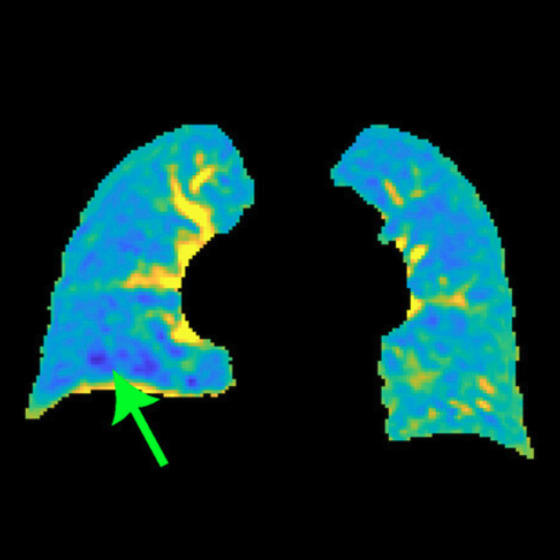
Fluid overload is common in end-stage kidney disease and difficult to gauge at the bedside. This project used CT-derived lung density as a quantitative imaging biomarker of pulmonary water in people on dialysis — linking radiology metrics to the haemodynamic and volume challenges of renal replacement therapy.

  • Computed tomography
  • Lung water density
  • Dialysis
  • Fluid overload

At a glance

  • Modality Non-contrast chest CT
  • Population Patients on dialysis
  • Endpoint Lung parenchymal density
  • Clinical lens Volume status & pulmonary congestion

Why this mattered

In chronic kidney disease, small shifts in extracellular fluid can tip patients toward pulmonary oedema long before symptoms are obvious. Traditional assessment — weights, JVP, crackles — is useful but imperfect.

CT offers voxel-level quantification of lung tissue density, which rises as interstitial and alveolar water accumulate. Applying that signal to a dialysis cohort asks whether imaging can complement clinical judgement when dry weight and ultrafiltration targets are being set.

Back to home